
Notes from the work.
Writing about leadership, talent, AI, and lessons learned along the way.

AI is in the Apple II Era
AI will make narrow software easier to replace, but it will make products with compounding data, network effects, and proprietary algorithms more valuable.

The Second Half of the Work
Meetings are only the input. In relationship-driven work, the real product is what arrives afterward: the plan, proposal, context, and follow-through that turn conversation into momentum. Manage the second half and relationships compound.

Your Hiring Process Should Treat Candidates as Innocent Until Convicted of Greatness
A polished candidate can perform for an hour; a rigorous process keeps probing until the performance runs out. Use a scorecard, interview past rehearsed answers, get independent evaluations, and treat references as evidence.

Always Know Your #1
A long list of priorities feels productive while quietly protecting the hardest work from attention. Give every person one visible #1, let it break ties, and watch focus, alignment, and organizational speed improve.

Keeping Only the Best Athletes on Our Team
In a growing company, a historic contributor can become a poor fit for the next role without becoming a worse person. Great leaders tell the truth directly, reward past performance, and help people find a team where they can thrive.

Why Great Boards Make Great Companies
A board should be more than a legal obligation or quarterly slide review. The right directors force a CEO to think, challenge assumptions, bring perspective, open doors, and stay accountable—without running the company.

How AI Leads to the End of Secrets
AI can infer strategy from public breadcrumbs such as hiring, interviews, product signals, and code. Durable advantage now comes from reducing exposure, compartmentalizing sensitive work, and executing fast enough that copycats stay behind.
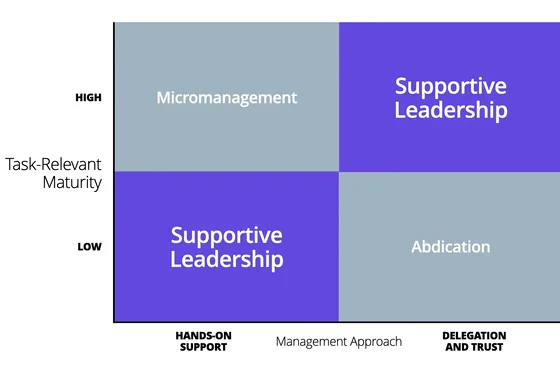
The Leadership Sin Equally Bad as Micromanagement
Micromanagement is not the only way leaders fail. Abdication—giving total freedom before someone has the confidence or capability for the task—can be just as damaging. The right style depends on task-relevant maturity.

How to Ensure You Don’t Lose Great Talent to Promotions
Promoting a great individual contributor into management can turn a strength into a failure—and cost you the person. Interim assignments, evidence-based scorecards, and restrained titles make career growth a reversible experiment.

Do Humans Have a Role in a 150 IQ AI World?
As artificial intelligence makes creation abundant, humans will not win by out-IQing the machines. We will win through taste, strategy, judgment, and the ability to decide what is worth building—and make it meaningful to other people.

Performance Bonuses that Actually Inspire, Reward and Retain Your Best Talent
Annual bonuses arrive too late to shape performance. Quarterly bonuses tighten the loop between results and recognition, give managers room for candid feedback, and let exceptional contributors share more visibly in the value they create.

Replacing Annual Reviews with Regular Feedback and Communication
Annual reviews are too slow to improve performance or address problems. A quarterly feedback cycle creates timely coaching, clear ratings, honest conversations, and the data leaders need to retain excellent people.

The Leader’s Greatest Challenge isn’t People or Money. It’s Time Allocation.
Leaders can look busy while neglecting the work only they can do. Reserve time to scan the environment, analyze what it means, advance top priorities, and then dive into the details with sharper questions and better context.

Getting Clarity on Delegating Decisions
Decision-making speeds up when everyone knows who owns the call and how much input is expected. A five-level framework—from “I’ll decide” to “you decide”—turns vague authority into shared language and pushes decisions closer to the work.

Using Headcount as a Last Resort for Solving Problems
Headcount is a one-way door that makes an organization harder to run. Before hiring, test whether the problem is worth solving with software, outsourcing, or contractors; add a full-time employee only when those options fail.

Recruiting Amazing Talent with Merit, Excellence and Intelligence
Company quality is downstream from hiring quality. A process grounded in merit, excellence, and intelligence widens the search for exceptional people, avoids tokenism, and makes clear that talent—not politics—earned the seat.

Face to Face vs. Remote? It Depends What You’re Optimizing For.
Remote work can restore output while weakening the conditions that produce breakthrough work. If you are optimizing for innovation, collaboration, and culture—not just efficiency—face-to-face time may be the better choice.

The People Who Can’t Work Here
A list of ideal traits does not tell you who will strengthen your team. Define who cannot work in your culture—mercenaries, jerks, narcissists, and victims, in my case—to spot bad fits faster and protect the people who belong.

Elite Business Athletes are the Backbone of Great Businesses
Great companies are not families; they are teams assembled to win a changing game. Hire and develop specialists for the roles you need, reward people who pursue excellence, and keep the roster honest when the fit no longer holds.

How to Head Off a Dysfunctional Culture: Disagree and Commit
Healthy cultures make disagreement safe and commitment mandatory. Invite people to challenge a decision while there is time to change it, then expect everyone to say “we decided” and execute once the call is made.

Why Western Civilization Needs Defending
Prosperity depends on the rule of law, private property, liberty, and the pursuit of knowledge. This essay argues that Western civilization’s free-market foundations are under pressure—and that preserving them requires active defense.

How I’ve Made a To-Do List my Secret Weapon
A useful task list is a system for protecting attention, not a second calendar or inbox. Capture everything immediately, triage it into a few clear sections, and keep your priorities visible so you can do the right work at the right time.

What to do if someone is trying to break into your online accounts
When someone probes your accounts, changing one password is not enough. Use unique, long passwords and two-factor authentication, then harden the email, phone, and cloud accounts that could let an attacker bypass the first line of defense.

Off the Bullet Train
Stepping away from the CEO role gave me a chance to slow down after twelve years on the bullet train. I planned the year around family, learning, service, and helping ambitious companies grow before choosing the next chapter.

How I’ve Made Email my Secret Weapon
Email becomes manageable when you control the inflow, silence notifications, and separate triage from processing. With good search, a fast client, a few macros, and a real task list, the inbox becomes a tool for connection.

1% for you is 100% for them
A customer may experience only one interaction with you, even if you have dozens with them. That single moment can define the relationship, so treat every product, call, email, and bill as a chance to create delight.

My Decision Not to Run for a Fourth Term
After twelve years as a Sierra College trustee, I chose not to seek a fourth term. The decision made room for my family and company, while leaving public service with gratitude for the work and the people who made it possible.