 Season 2, Episode 4
Nathan Barry
Kit founder Nathan Barry revisits the decision to buy kit.com after an earlier rebrand failed—and shares the framework he uses to surface disagreement, hear from the team, and make the call.
Conversations with builders, leaders, and operators about the milestones that have shaped the work they’ve done, and the people they’ve led.
Explore Season 2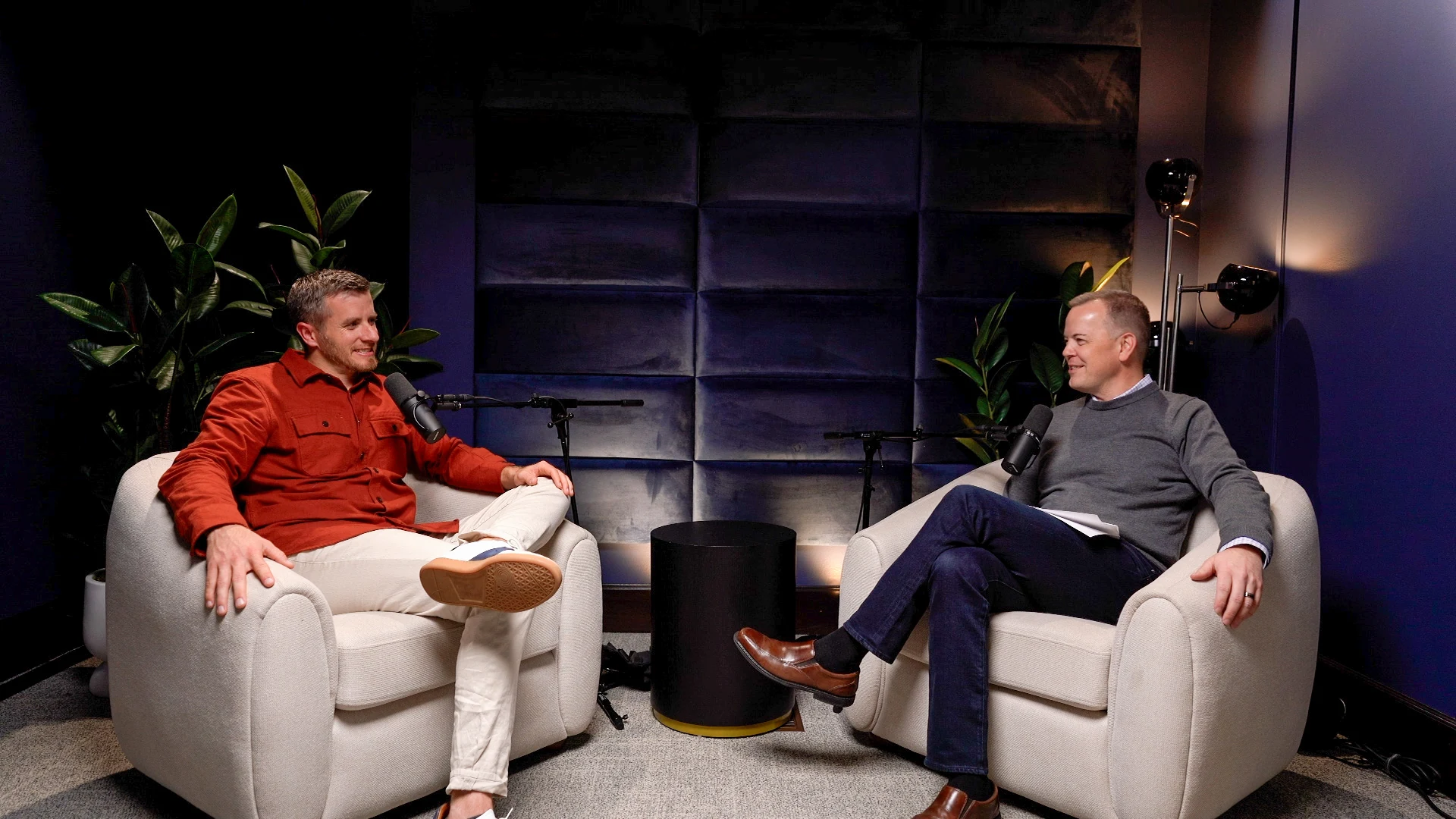 Season 2, Episode 4
Kit founder Nathan Barry revisits the decision to buy kit.com after an earlier rebrand failed—and shares the framework he uses to surface disagreement, hear from the team, and make the call.
 Season 2, Episode 3
Advisor coach Derrick Kinney shares the acquisition that nearly broke his business, the team exercise that exposed him as its bottleneck, and why growth required giving up the belief that he could do everything himself.
 Season 2, Episode 2
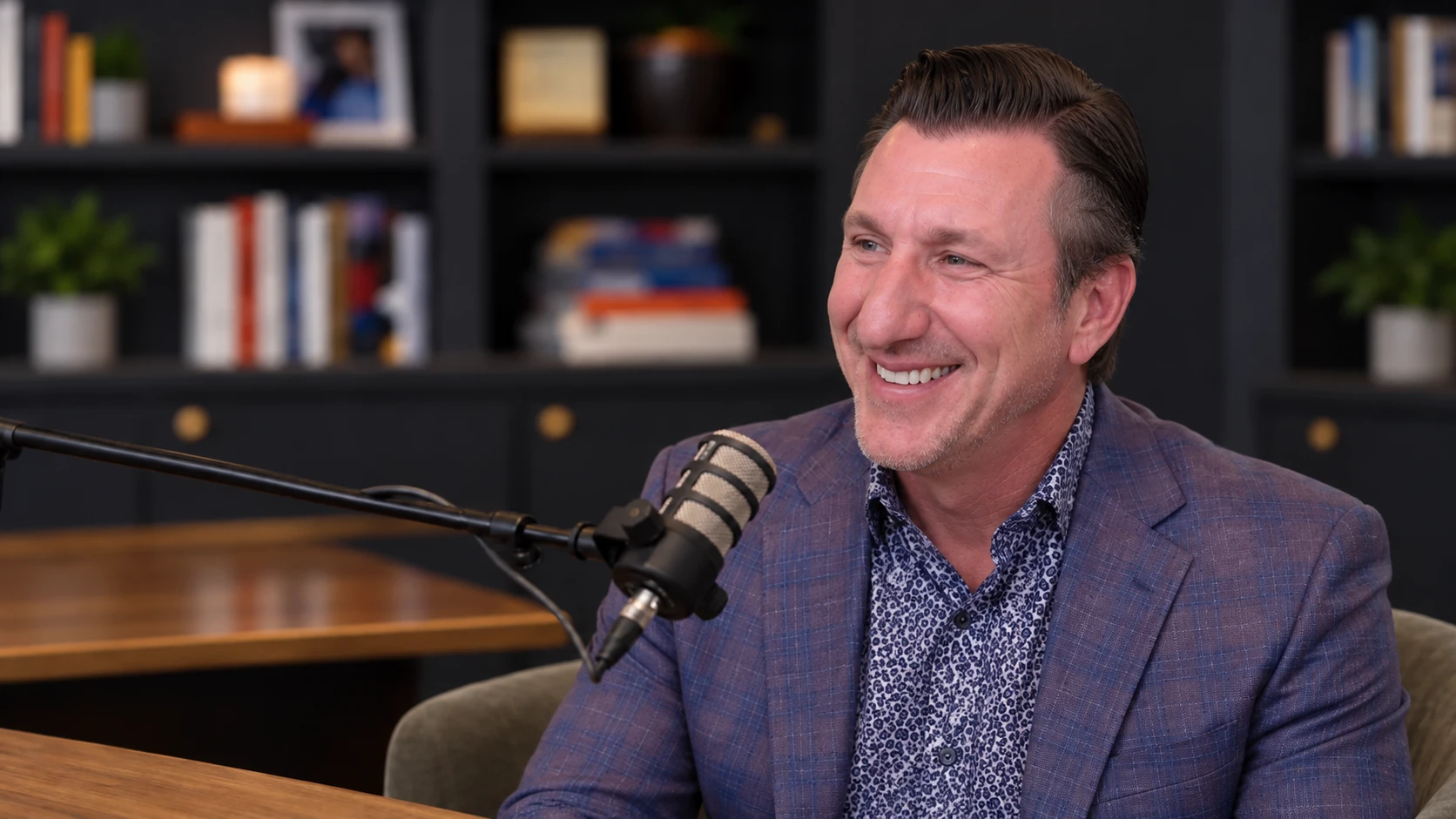
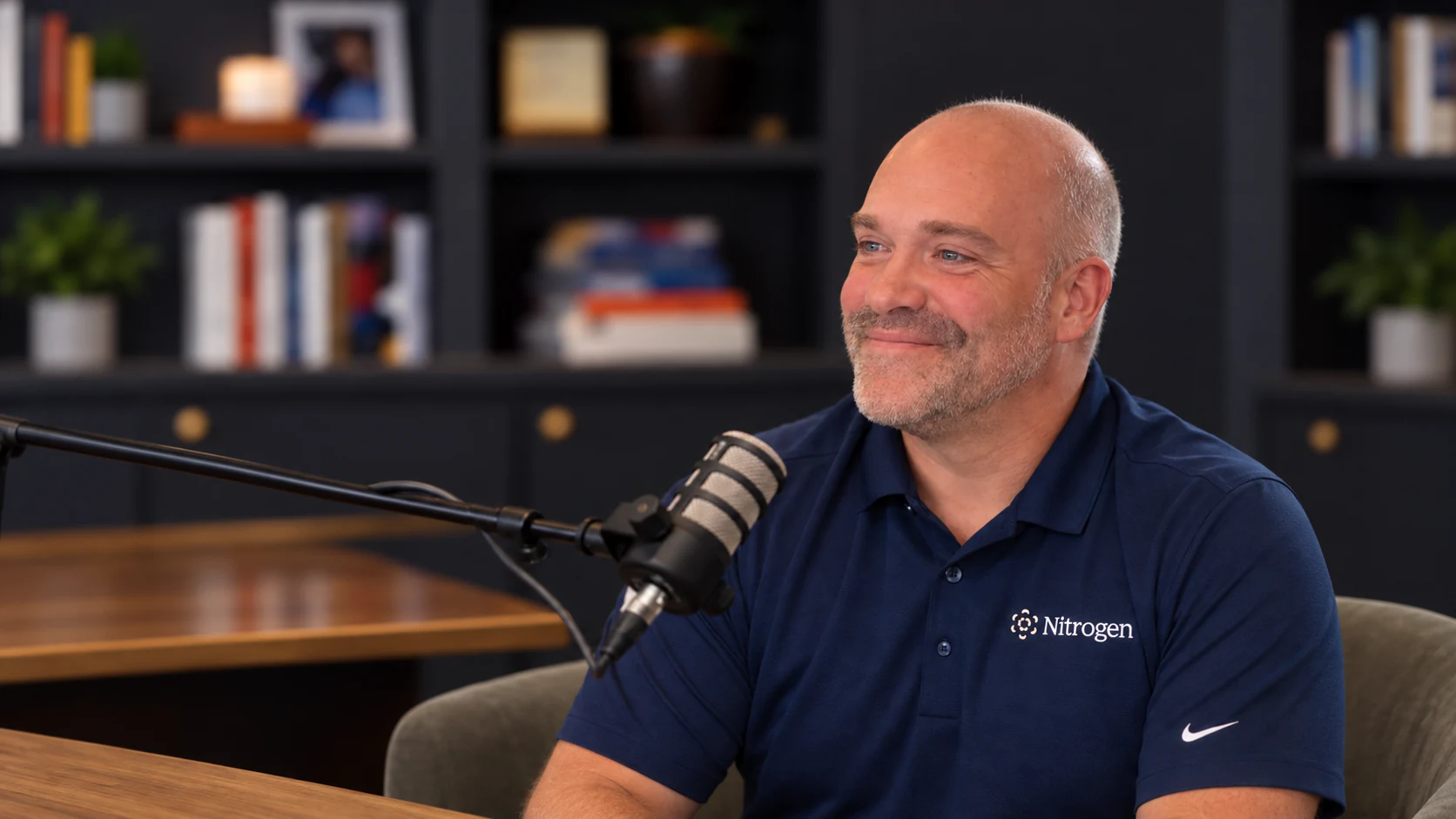
Nitrogen CEO Dan Zitting explains how he got a whole company to adopt AI without a mandate: go first, show your work, and coach the agents. He also explains why the Riskalyze-to-Nitrogen rebrand came too early.
Kit founder Nathan Barry revisits the decision to buy kit.com after an earlier rebrand failed—and shares the framework he uses to surface disagreement, hear from the team, and make the call.
Advisor coach Derrick Kinney shares the acquisition that nearly broke his business, the team exercise that exposed him as its bottleneck, and why growth required giving up the belief that he could do everything himself.
Nitrogen CEO Dan Zitting explains how he got a whole company to adopt AI without a mandate: go first, show your work, and coach the agents. He also explains why the Riskalyze-to-Nitrogen rebrand came too early.
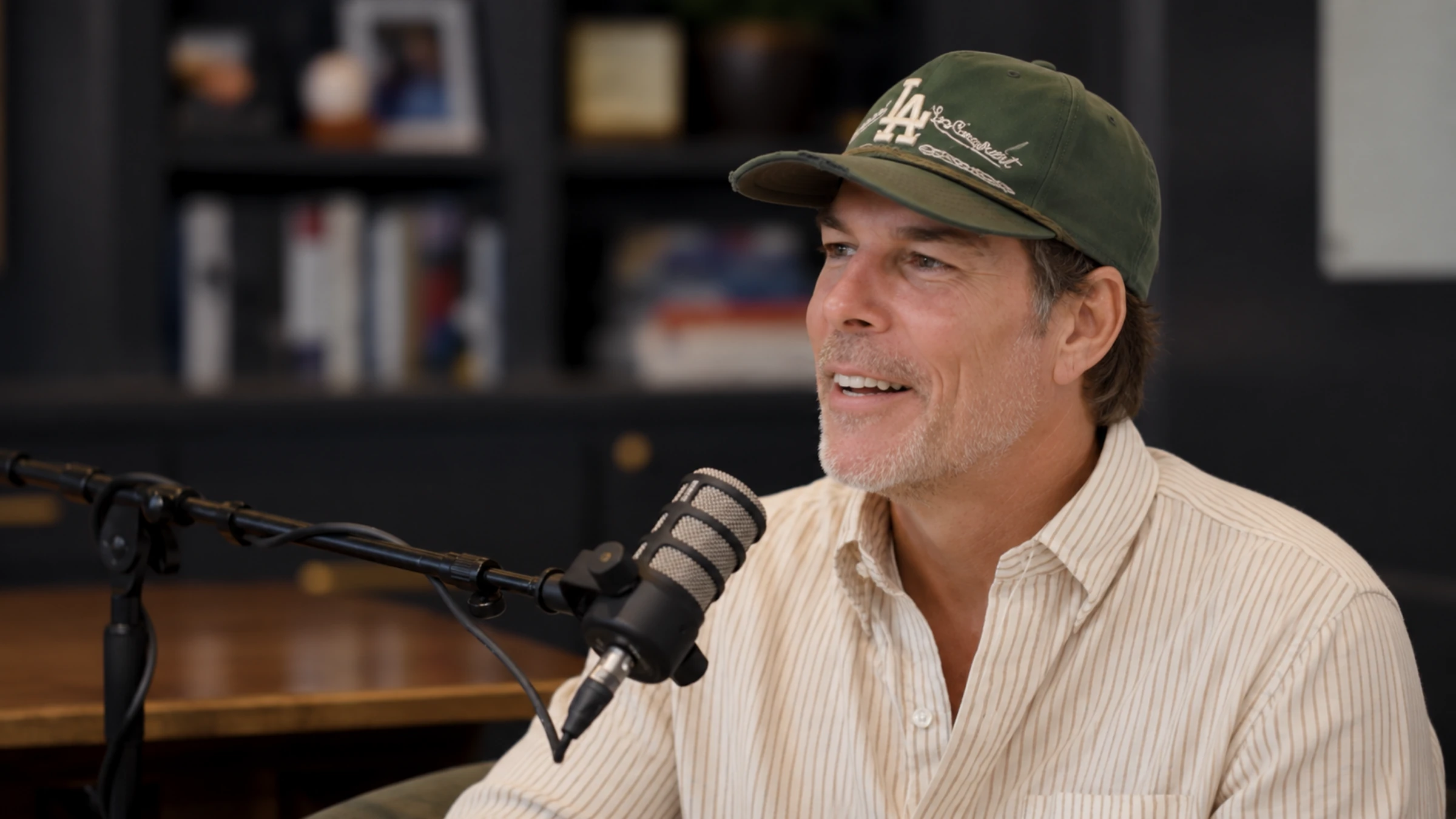
Altruist founder and CEO Jason Wenk traces the path from a $3 billion advisory business to a custody platform serving roughly 6,600 advisors—and the follow-through discipline required to turn a bold plan into a company Vanguard agreed to acquire.

TextExpander CEO J.D. Mullin traces the failure of meetings with missing pre-reads and outlines a practical standard: send context early so the room can do its real work.

PetIQ talent-acquisition leader Sheena Jester revisits a vendor meeting that ran without direction and uses it to make the case for preparation and a defined purpose.
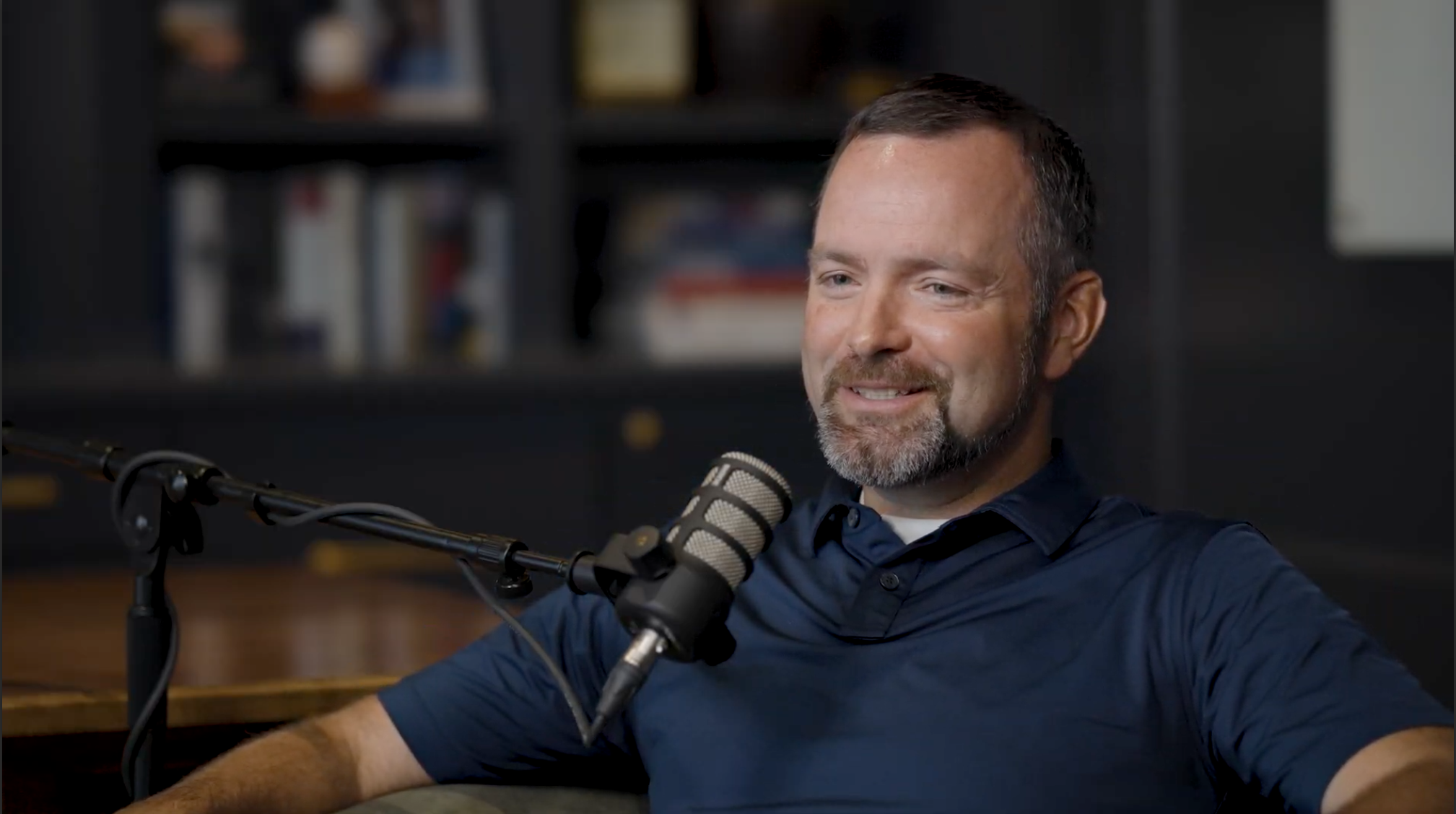
Strategist Todd Cranney moves from Southern Idaho farm stories to political war rooms, extracting practical lessons from pressure, misfires, and fast-changing situations.
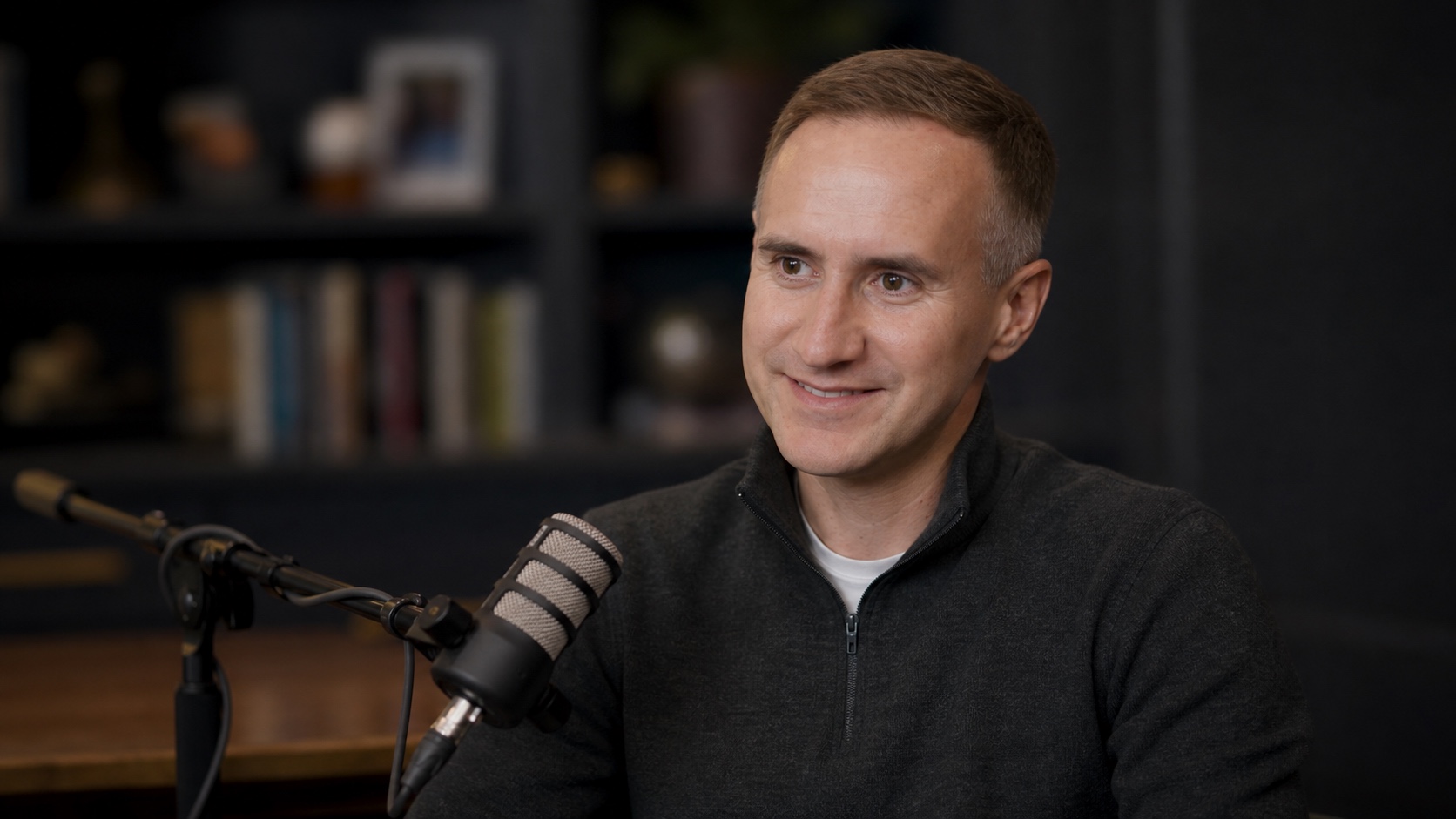
Author Morgan Housel connects his standard for economical writing with the hidden cultural cost of meetings that consume time without doing enough with it.
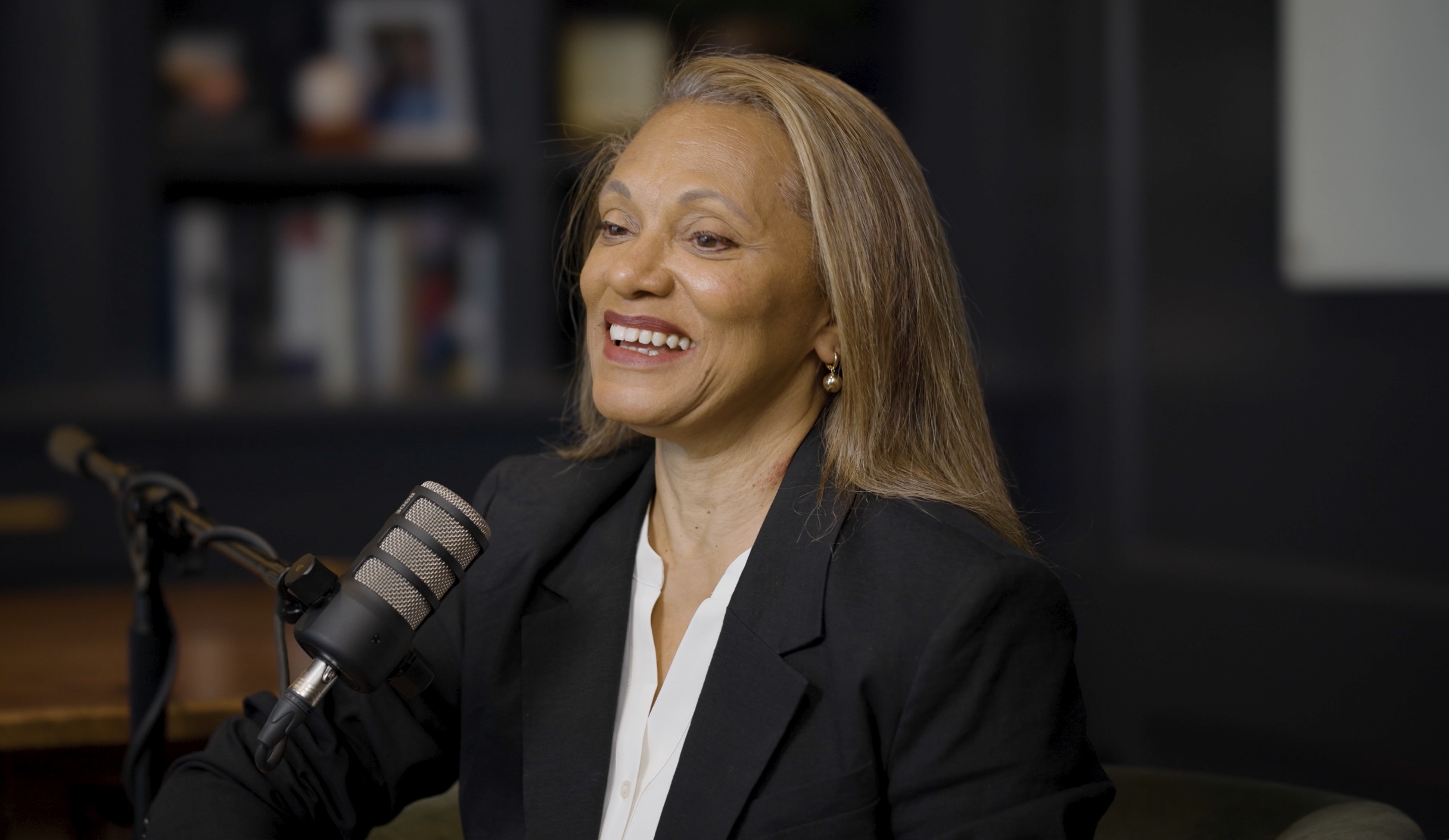
Recruiting entrepreneur Donna White tells the story of a candidate who turned an executive interview into an unexpected pitch of her own.

Capital Eleven founder Travis Hawkes recounts two especially unproductive meetings and offers an investor’s perspective on the signals a meeting sends.
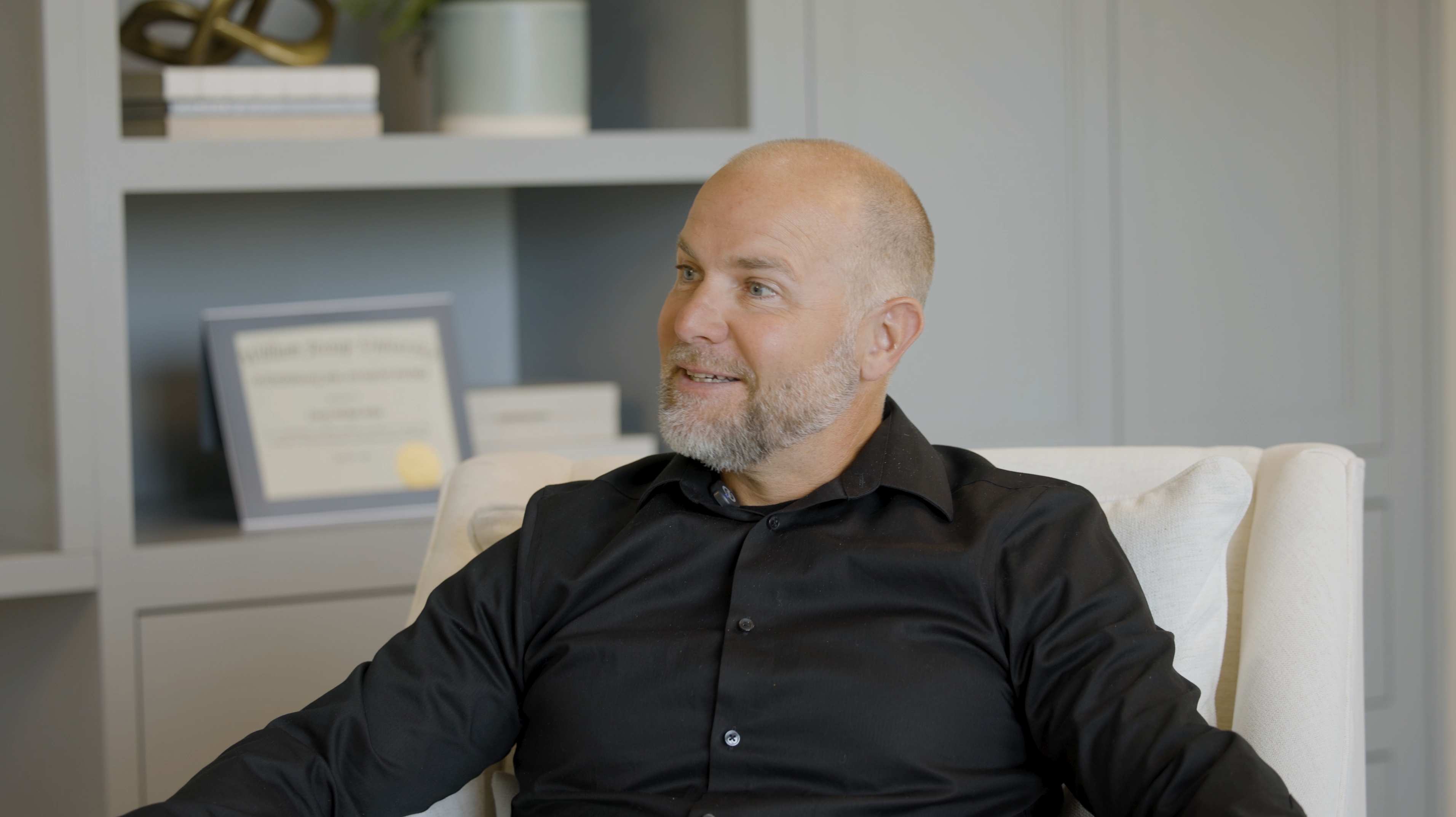
Founder, advisor, and investor Mike McDaniel takes listeners inside a high-stakes board meeting that was carefully prepared and still broke down.
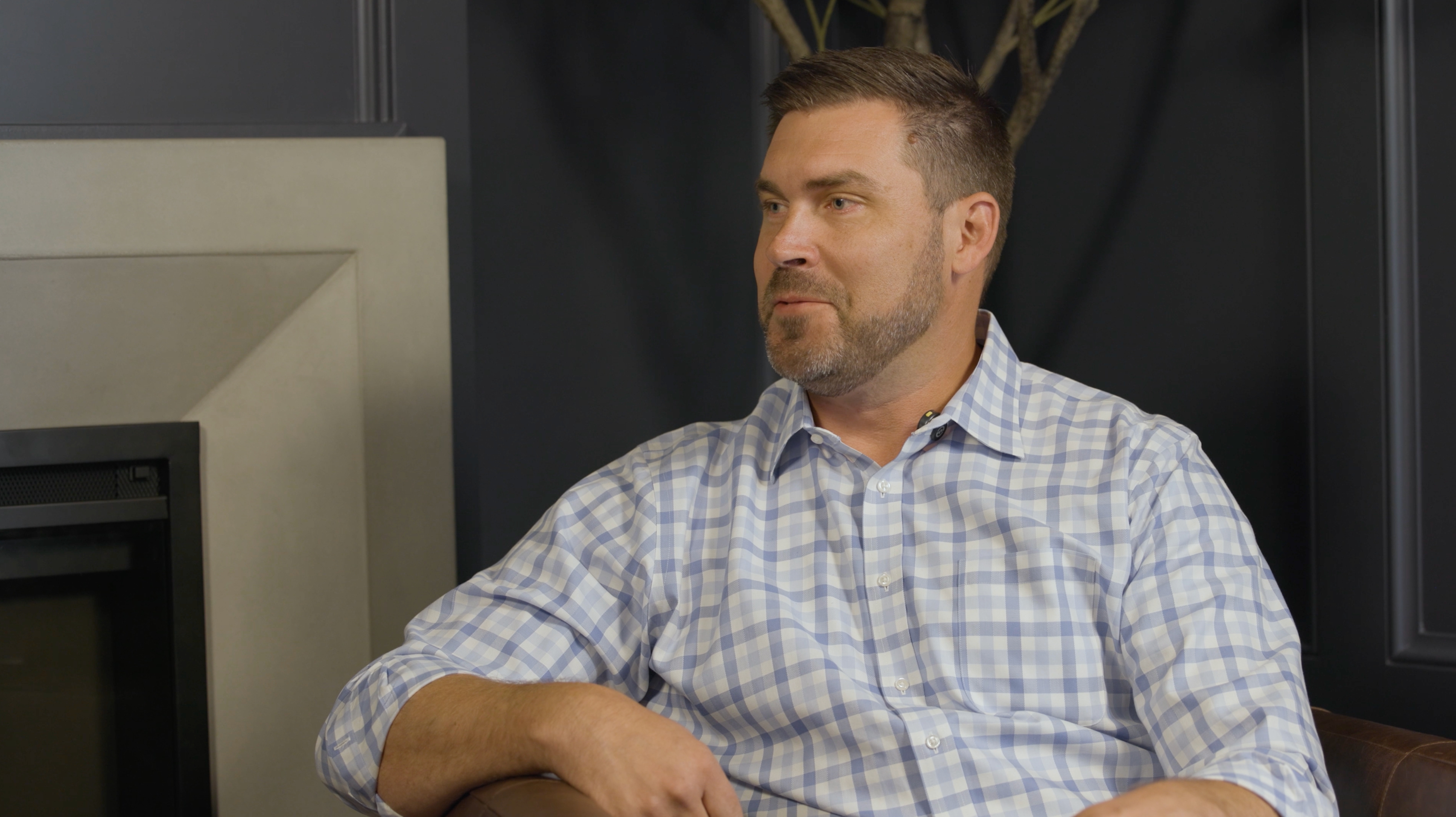
Clear Creek Financial Management co-founder Brian Deely shares a client-meeting story, the lesson it delivered, and a moment in which helping someone became part of the work.
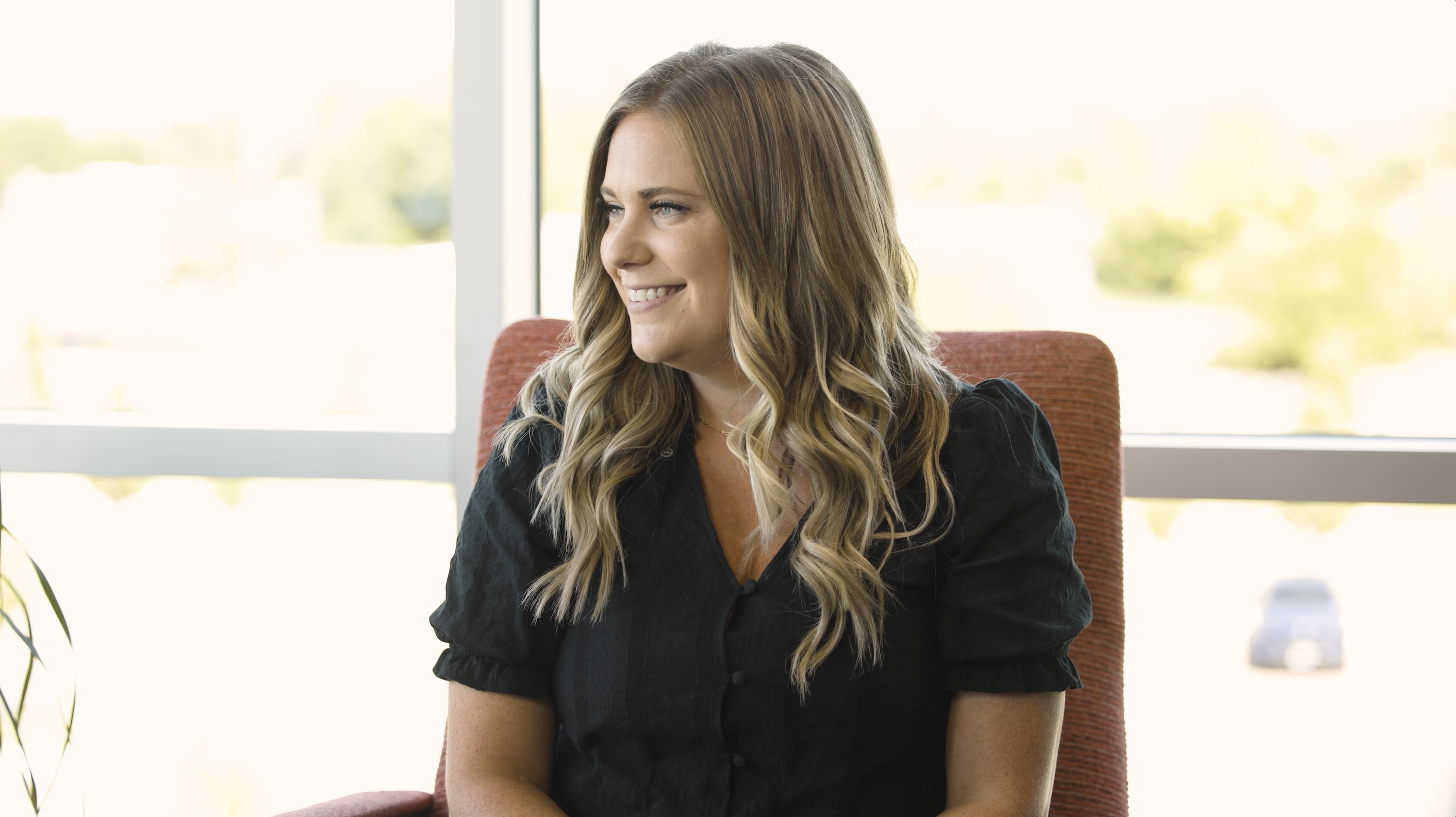
Capital Eleven Chief of Staff Stef Aragon explains how she is taking on a painful underwriting meeting rather than accepting it as an unavoidable drain on the team.
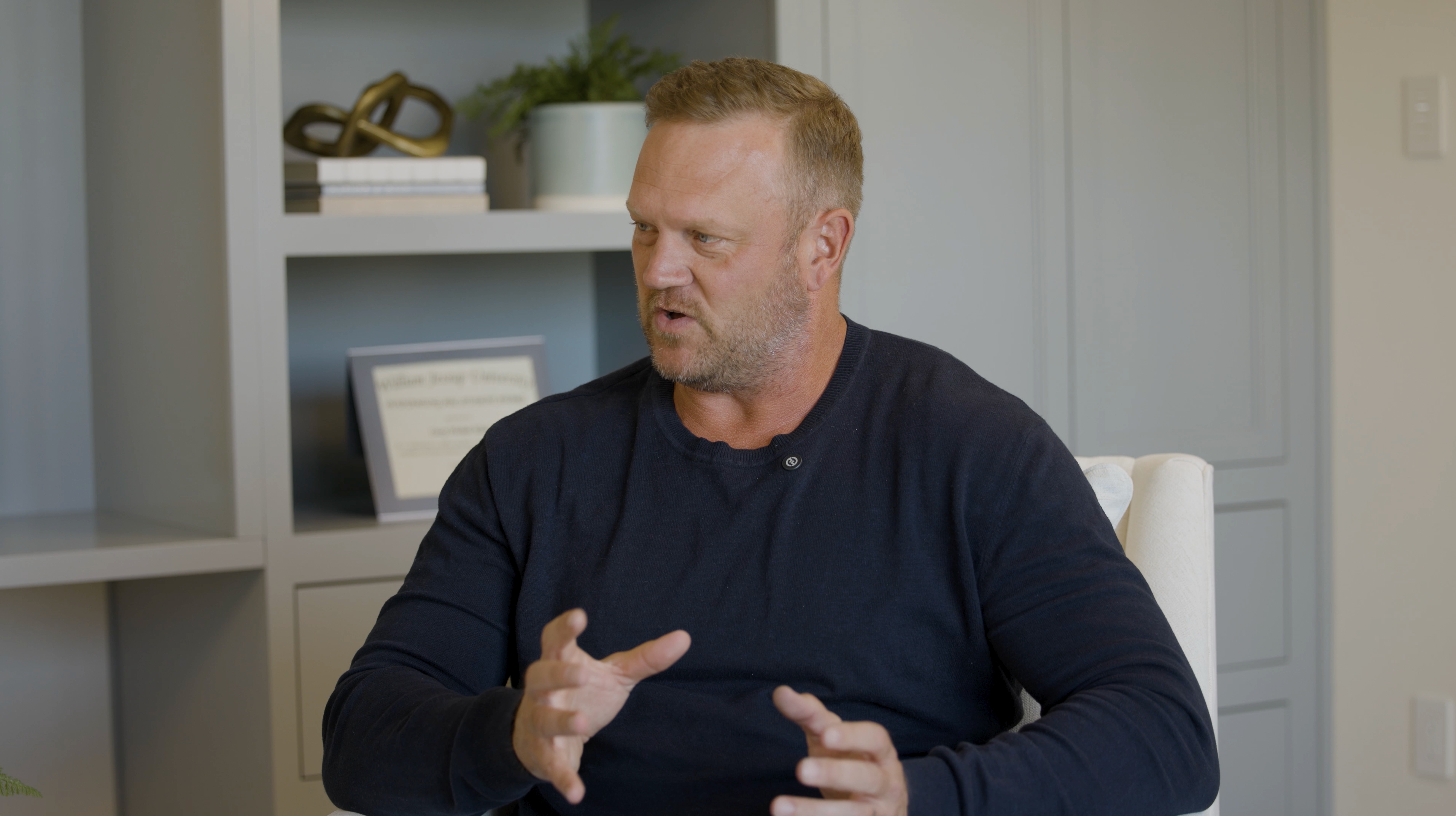
Likefolio founder Andy Swan revisits a financial-services acquisition meeting remembered for a Post-it-note debacle and an unexpected cache of Splenda packets.