
The $4 Billion Dollar Man: Leadership Lessons from Jason Wenk
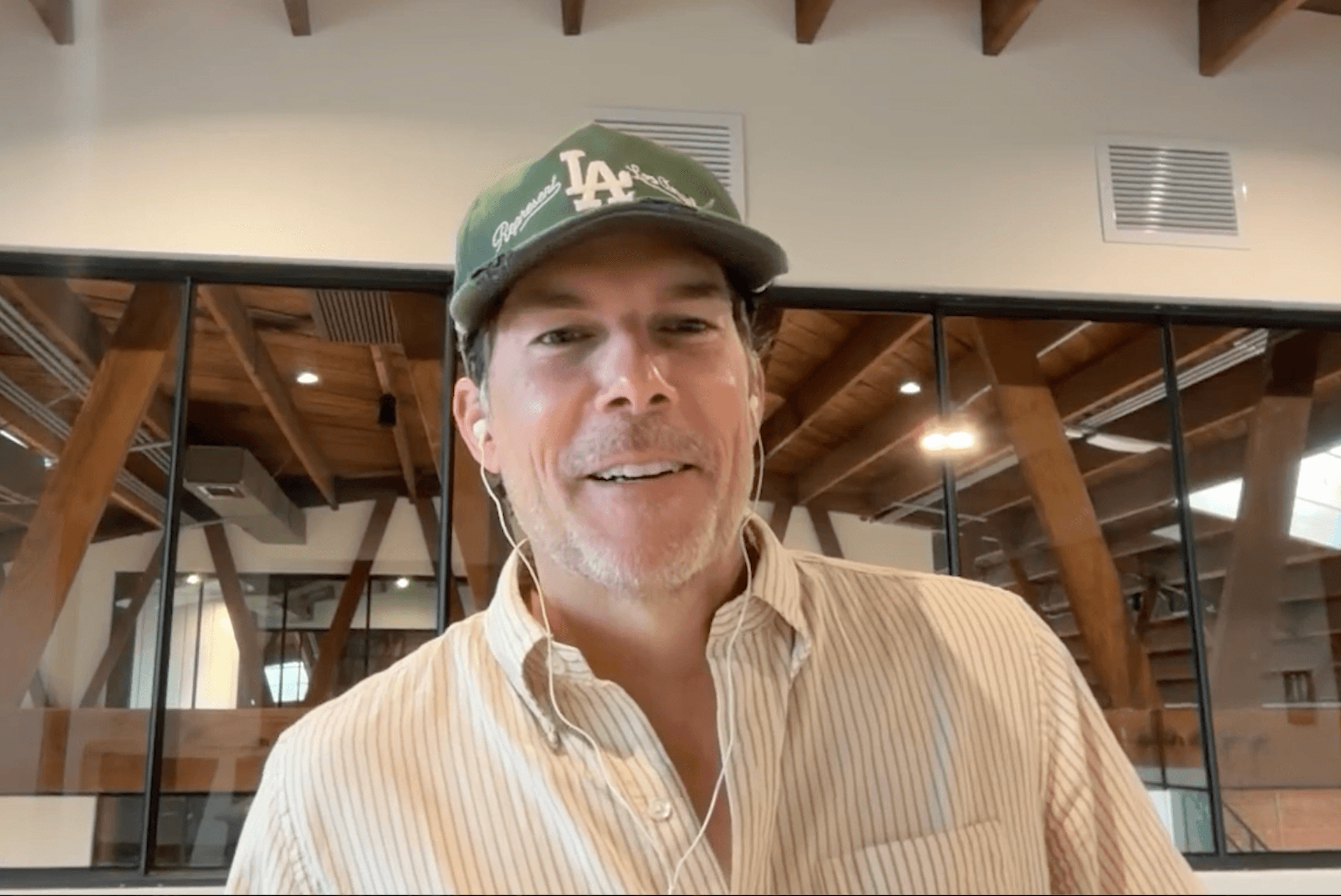
Jason Wenk explains how a tightly scoped 2018 plan became Altruist, why fast-growing teams still lose momentum after meetings, and why relationships become more valuable as financial infrastructure disappears into software.
Jason Wenk grew an advisory business to $3 billion in assets in about five years. Then he walked away from it to build the custody and technology infrastructure underneath modern advisory firms.
He wrote the plan for Altruist in 2018: clearing, custody, software, services, and an intelligence layer. Eight years later, the company serves roughly 6,600 advisors. Two weeks after this conversation, Vanguard announced an agreement to acquire Altruist in a deal reported at more than $4 billion.
What we cover
- Why Altruist’s own employee surveys identify communication after meetings—not the meetings themselves—as the company’s biggest opportunity.
- Why people often stay stuck instead of returning to ask for details they cannot remember.
- How Jason cut Altruist’s first release down to a handful of account types and a narrow customer profile so the company could ship.
- Why automating financial infrastructure makes the advisor’s judgment, follow-through, and client relationships more valuable.
- What established companies would have to change to catch a focused challenger—and why acquiring the capability can become the faster answer.
The work starts after the meeting
Altruist moves quickly, gives people substantial autonomy, and has the resources to execute. Its employees still name follow-through as the gap: carrying shared context, decisions, and tactical work out of the room and into action.
That problem is ordinary enough to hide in plain sight. The details were discussed. People cannot recall them later. Asking again feels costly, so the work slows down or drifts away from what the group decided.
Build less, then ship
Altruist’s first version served solopreneurs and supported only a small set of account and investment types. That constraint made launch possible. Jason’s alternative was stark: starting with enterprise scope could have required eight or nine years and hundreds of millions of dollars before the product reached the market.
Relationships are the work
Technology can compress account opening to minutes. It cannot replace the decades of meetings, judgment, communication, and follow-through that make an advisor valuable to a client. As the transaction disappears into software, the relationship becomes the work.